
BREEDING
At Western Crop Innovations, our advanced breeding pipelines are the cornerstone of our mission to transform agriculture. Using the latest genetic research techniques and sustainable practices, we develop varieties that are not only high-yielding but also resilient to the evolving challenges of modern farming. Our program focuses on enhancing crop quality, disease resistance, and environmental adaptability to meet the needs of today’s farmers and tomorrow’s markets.
Our Approach to Breeding
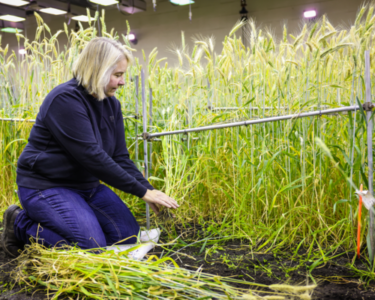
Accelerating the breeding cycle is critical to deliver varieties that combat environmental change and address market concerns. Our breeding program utilizes indoor growth facilities, international winter nurseries, and cutting-edge genetic techniques, including marker-assisted selection to get well-adapted seed into the hands of producers faster. By integrating traditional breeding methods with modern biotechnology, we ensure each variety is optimized for performance and sustainability.
BARLEY BREEDING
Feed and Forage
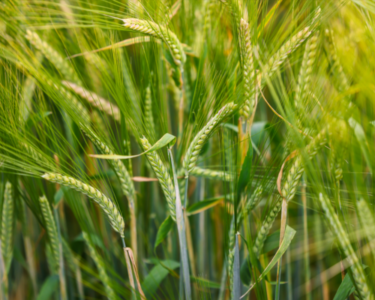
Our feed program is dedicated to developing high-yield barley varieties that significantly boost grain production across Alberta. We focus on enhancing forage quality and yields for silage and grazing, emphasizing early maturity, lodging resistance, and excellent grain and biomass characteristics. Our breeding strategy now includes optimizing nitrogen use efficiency to improve environmental sustainability. Additionally, our cultivars are developed to exhibit robust disease resistance against priority-I diseases, including scald, blotches, smuts, rusts, and Fusarium Head Blight (FHB), ensuring resilient and productive crops.
Malt
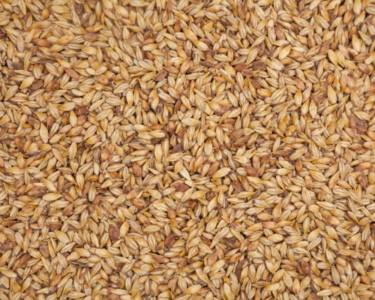
Our malting barley pipeline produces premium two-row barley varieties, tailored for high yields and exceptional adaptability to varying growing conditions. These varieties are designed to meet the exacting requirements of both the adjunct and craft beer markets. We now highlight traits such as non-glycosidic nitrile and lodging resistance, alongside our ongoing commitment to disease resistance and resilience to stresses like water scarcity, ensuring these cultivars perform optimally even in challenging environments.
Note: As of 2025, WCI is transitioning out of malt barley breeding. While no new crosses will be pursued, existing advanced-generation lines will continue through the development pipeline, with promising material to be put forward for registration and licensing.
TRITICALE BREEDING
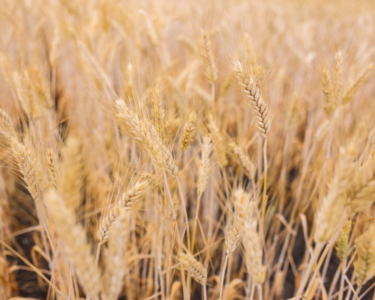
Our breeding program develops new spring triticale varieties optimized for western Canada’s diverse climates. We focus on superior grain and forage yields with enhanced lodging resistance. Our efforts include producing awnless and reduced awn types for better digestibility and palatability in swath-grazing and green forage uses. We also prioritize improved drought tolerance, early maturity, reduced pre-harvest sprouting, and robust resistance to Fusarium Head Blight (FHB) and ergot.
Our breeding program develops new spring triticale varieties optimized for western Canada’s diverse climates. We focus on superior grain and forage yields with enhanced lodging resistance. Our efforts include producing awnless and reduced awn types for better digestibility and palatability in swath-grazing and green forage uses. We also prioritize improved drought tolerance, early maturity, reduced pre-harvest sprouting, and robust resistance to Fusarium Head Blight (FHB) and ergot.
KEY AREAS OF FOCUS
Disease Resistance
We develop varieties with enhanced resistance to key diseases, bolstering crop productivity.
Climate Resilience
Our varieties are designed to thrive in various environmental conditions, ensuring farmers can succeed no matter the climate challenges.
Yield Improvement
We prioritize high yield potential to maximize the productivity of each acre planted.
Proven Impact in the Field
Discover the real-world impact of our breeding programs through these success stories. From increased crop yields in arid regions to successful cultivation of disease-resistant varieties, our innovations are making a real difference in agricultural communities across Western Canada.
The Challenge
Amisk is a semi-dwarf, six-row feed and forage barley that has been widely grown across Western Canada over the recent decade. However, all varieties naturally lose resilience over time: disease susceptibility increases, yields begin to decline, and key quality traits become more difficult to maintain.
Producers have been searching for a dependable six-row replacement that delivers strong yield potential, improved disease resistance, and reliable performance in variable growing conditions.
The Solution
Western Crop Innovations set out to develop a next-generation, six-row barley variety tailored to the needs of feed and forage producers. The goal: combine enhanced disease-resistance genetics with improved yield potential, while maintaining the agronomic traits growers depend on for both silage and grain production.
The Outcome
AB Tofield has emerged as a strong successor candidate for producers looking to move on from older varieties like Amisk.
While taller than its semi-dwarf predecessor, AB Tofield offers excellent standability. The added plant height improves swathability and contributes to higher silage tonnage. Its smooth awns support better palatability for livestock, making it a versatile choice for feed and forage operations.
For grain production, AB Tofield delivers consistent yield performance, even in dry years. Producers report strong bushel weights and competitive grain yields that often outperform other varieties:
“It’s been a yield contender with some of our other barleys, almost every year it’s been either #1 or #2 out of the varieties that we grow. We have good years and bad years, this variety seems to always be consistent — last year [2024] obviously being a very dry year, it still was our top yielder. It’s bushel weight… out-weighed our two-row, which is very uncommon.”
— Russel Wildeman, Wildeman Holdings
The Challenge
Rising land costs having been pushing cattle operations onto more marginal lands, where producing enough feed to sustain and grow the herd is a constant concern. Limited moisture and suboptimal soils make consistent feed and forage production a significant challenge for producers operating in dryland areas.
The Solution
Triticale has become increasingly popular among cattle producers for its ability to survive — and even thrive — in marginal and environments and low-input conditions.
When developing T317, WCI aimed to improve on existing triticale varieties by creating a cultivar capable of producing high forage tonnage to support dryland cattle operations. Our breeding team selected for increased forage yields, enhanced forage quality, and strong standability, seeking a variety that would deliver reliable performance, even in the face of challenging growing conditions.
The Outcome
T317 performs reliably on dryland. Its shorter stature compared to Pronghorn enhances lodging resistance, while wider leaves contribute to greater forage tonnage — producing 110% of Pronghorn’s forage yield and 115% of Bunker’s in cooperative trials. Reduced awns make the variety more palatable than older, awned options, and improved forage quality — including low lignin, high starch, and enhanced digestibility — ensures nutritious feed for livestock.
While T317 excels as a forage variety, its grain yield and quality provide producers with the flexibility to also use it for feed grain production, making it a versatile choice for dryland cattle operations.
“There are more [triticale] varieties coming along that fit specific needs,” says Bryan Corns of Corns Seeds (Grassy Lake, Alta.).
“This one [T317] we’ve chosen for dryland production. You’ll see when you compare it to the other varieties around here, a little bit higher height involved, nice big heads, reduced awns… A little bit more leaf content, a wider leaf which is really attractive with this variety,” elaborates Whitney Corns.
“Being able to grow a crop that will give you this much tonnage, and then also [gives you] the quality. The new varieties are really focused on higher feeding quality.”
The Challenge
Weather variability is one of the greatest challenges producers face each growing season. In recent years, drought has become a significant concern across the Prairies, particularly for livestock producers who rely on barley as a key feed and forage crop. In dry years, reduced yields and compromised quality can create serious challenges in meeting livestock nutrition needs.
The Solution
Western Crop Innovations responded directly to producer concerns by prioritizing yield performance under drought conditions, without sacrificing grain or forage quality. Breeding efforts focused on identifying varieties with strong drought tolerance, while also screening for disease resistance to ensure reliable performance across a range of growing conditions.
The Outcome
The two-row barley AB Hague emerged as a standout performer. In the drought year of 2018, AB Hague achieved 117% of Copeland’s grain yield in the Canadian Two-Row Barley Cooperative Trials, demonstrating exceptional drought tolerance. It also features an excellent disease resistance package, with resistance to all seven Priority I diseases.
Under non-drought conditions, AB Hague still delivers competitive yields and exhibits performance across all soil types, providing producers with resilience under variable and unpredictable conditions. Higher leaf content and superior forage quality further make AB Hague a reliable option for silage production, offering versatility for both grain and forage use.
“It has tremendous grain yield. Hague has been more drought tolerant than some of the other varieties, and that’s a bonus. The production that it has… if you look at it, it has more leaf than the others. You can cut it for silage, you can combine it – you have more uses for the cattle people, whatever they want to do with it. It’s been beneficial as far as that – and the drought tolerance is a really good thing… it’s got great feed value for the cow and will produce a lot of product.”
— Len Solick, Solick Seeds